

Picking up a new language like Spanish can feel like a big challenge, but having the right mindset makes the whole process more enjoyable and way more effective. Spanish is spoken by over 500 million people worldwide, so learning it opens lots of doors for connecting with others, traveling, and even landing jobs.
A positive approach can switch language learning from something intimidating into something you actually look forward to. I’m going to get into what really helps set you up to make steady progress with Spanish.
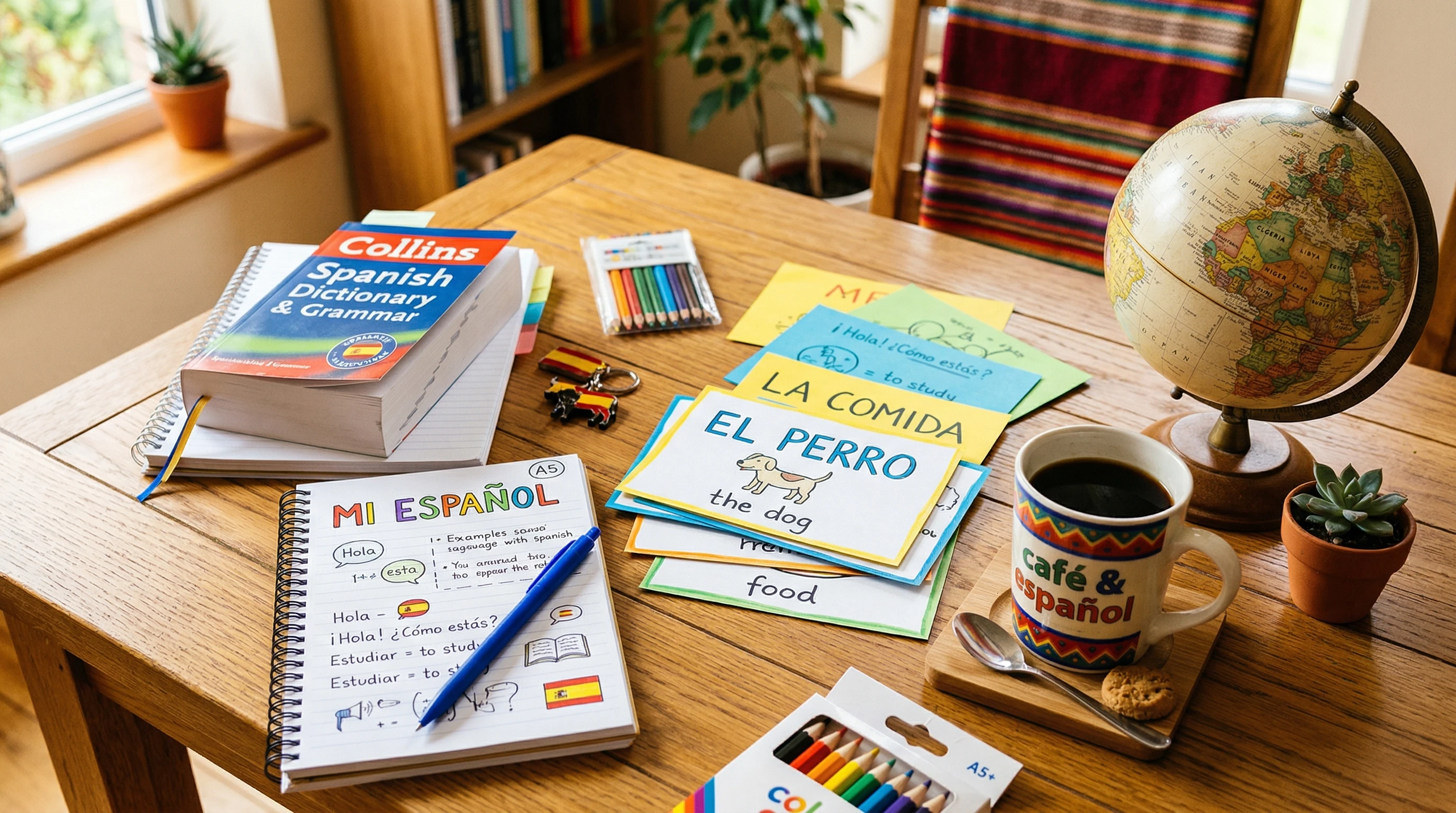
The Key Benefits of the Right Mindset for Spanish Learning
I’ve found that focusing on your attitude early on can be a total game changer for making progress. When you approach Spanish with curiosity and patience, little setbacks don’t feel like disasters. Instead, they’re just part of growing your skills. Understanding why mindset matters helps you steer through common bumps along the way, like forgetting words or struggling with grammar.
Learning Spanish isn’t just about memorizing long vocabulary lists. Building confidence, staying motivated, and pushing through embarrassment when you make mistakes all come from a healthy learning mindset. According to the American Council on the Teaching of Foreign Languages, learners with a growth mindset tend to stick with their goals and outperform those who focus mainly on perfection.
Spanish is one of the most popular languages to study, whether you want to travel, talk with family, or just pick up a fresh skill. With the right outlook, it feels a lot less like a chore and more like an adventure that keeps paying off.
Getting Started: What Really Helps You Learn Spanish
The early stages of Spanish learning are all about building good habits. A mindset focused on progress, rather than perfection, helps smooth over the awkward moments that come with practicing a new language. Here are some foundational attitudes I recommend you nurture from the beginning:
- Embrace Mistakes: Expect to mix up tenses, fumble with pronunciation, and freeze in conversation. Getting things wrong helps you remember better next time.
- Go for Progress, Not Perfection: Even small gains, like remembering a handful of new words, count for a lot.
- Stay Consistent: Learning a little bit every day is much more effective than cramming all at once.
Big gains in Spanish usually don’t happen overnight. Breaking study into daily chunks, maybe ten minutes with a language app or listening to a Spanish song, keeps things manageable and fun. Being openminded and flexible lets you try different resources without getting frustrated if one method doesn’t “click” right away.
Practical Steps for Building a Lifelong Language Mindset
Turning Spanish learning from a temporary project into a lifelong skill takes a bit of game plan. Here’s what works for me and lots of other language learners I know:
- Set Realistic Goals: Aiming to “be fluent in three months” just sets you up for disappointment. Instead, aim to order food in Spanish at your favorite restaurant, hold a basic conversation, or understand a song lyric.
- Track Progress: I keep a simple journal listing words I’ve learned or things I managed to say. Looking back, it’s super satisfying to see how far you’ve come.
- Use Multiple Resources: Mix and match apps, YouTube channels, podcasts, and grammar books. Switching things up keeps boredom away and your brain busy.
- Immerse Yourself: Even if you’re not in a Spanish-speaking country, you can change your phone’s language settings, follow Spanish creators, or join online language exchanges.
- Manage Frustration: Everyone plateaus or gets stuck. When you hit these walls, switch activities, take a short break, or talk about it with other learners.
These steps combine good planning with a flexible approach, making setbacks easier to handle and wins more noticeable.
What to Watch Out for When Learning Spanish
Just like with any new skill, you’ll run into a few hurdles. If you know what these are and how to handle them, you’re much less likely to feel discouraged. Here are some common challenges, plus some quick ways to keep your mindset healthy:
- Fear of Speaking: Many people worry about sounding silly or making mistakes out loud. One way to get past this is to find supportive partners or language groups where you can stumble without judgment.
- Overwhelm from Grammar: Spanish grammar has its tricky parts, like verb conjugations. Focus on one concept at a time; maybe just the present tense to start and build from there.
- Burnout: If you’re pushing too hard, it’s easy to get tired and lose motivation. Find ways to make things fun, like watching movies or playing games in Spanish.
- Unrealistic Expectations: Comparing your progress to someone else’s is pretty common, but it rarely helps. Everyone’s adventure is a bit different, and steady progress beats racing ahead and giving up.
Dealing with Fear of Speaking
One of the scariest things about learning Spanish for my students is saying words out loud in front native speakers. What help them most is finding patient conversation partners (or tutors) and not expecting perfection. Over time, the nervousness fade.
Avoiding Burnout
Balance is key. Switch up your routine often, maybe a language app one day, a playlist or film the next, so it never feels repetitive or overwhelming. As soon as study time starts to feel like a drag, give yourself permission to take a short break.
Keeping Expectations Realistic
One thing I’ve learned is that comparing your level to others is rarely motivational. Instead, try to focus on your own growth. That keeps you positive and ensures that you stay patient with the gradual progress.
Staying aware of these common roadblocks helps you keep perspective and keep going, even when Spanish seems tricky. The ups and downs are just part of the learning ride.
Core Habits Every Spanish Learner Should Adopt
The habits you build directly impact how well and how quickly you pick up Spanish. Here are a few that really stand out for me:
- Daily Exposure: A little practice each day builds momentum and keeps words and phrases fresh in your mind. You could listen to a Spanish song while making breakfast or read the news for a couple of minutes each morning.
- Speaking Early: Even just repeating simple phrases out loud (talking to yourself totally counts) helps train your brain and mouth to work together. Recording yourself can also make you feel less pressured, and over time you’ll see your pronunciation improve.
- Tracking Your Learning: Using a journal, checklist, or even an app to mark off what you’ve covered makes progress visible. This habit can keep you motivated and help you see the value in all your effort.
Frequently Asked Questions About Mindset and Spanish Learning
Here are some questions I run into often from new Spanish learners:
Question: What’s the most important quality for learning Spanish?
Answer: A positive, patient mentality helps you keep moving forward, even when the process feels slow. You’ll find that motivation sticks around longer when you don’t sweat the setbacks too much.
Question: How can I stop feeling embarrassed when making mistakes?
Answer: Remind yourself that every mistake is a step closer to fluency. Everyone, yes, even native speakers, gets things wrong sometimes. And honestly, most people appreciate your effort and don’t judge at all.
Question: Is it better to focus on speaking or grammar at first?
Answer: For most people, starting with basic conversation helps you stay motivated and puts grammar in perspective. You can always deepen your grammar knowledge as you go, but using the language early makes learning stick.
Question: What if I don’t have anyone to practice Spanish with?
Answer: If finding a real-life practice partner is tough, you can join online communities, language exchange platforms, or try speaking out loud to yourself. There are plenty of forums and voice chat groups where learners help each other, so you can make connections no matter where you are.
Looking for a step-by-step path that takes you from zero to having your first conversations in Spanish?
Then El Curso 1 is for you.
If you enjoy the content from Spanish Makes Sense, this course brings together everything I’ve learned over the years as a Spanish teacher into one clear, structured system designed to help you actually speak.
No fluff. No overwhelm. Just practical Spanish you can use from day one—so you can build confidence, think in Spanish, and start communicating faster than you thought possible.
Building Your Own Mindset Routine for Spanish
Turning Spanish learning into a lasting habit is driven more by attitude than talent. When you stay positive, celebrate even small steps, and see mistakes as useful feedback, you set yourself up for steady improvement.
Lean on different resources, try new things, and most importantly, have fun using Spanish outside the classroom. You’ll be surprised at how much progress comes when you focus just as much on enjoying the adventure as reaching your next goal. Every conversation and every new word you pick up is a small celebration on your way to real fluency.
Guess what? When you click and buy through our links, you’re not just boosting your Spanish skills—you’re supporting us at no extra cost. It helps us keep delivering top-notch tips and resources to you. It’s a win-win for both of us!