


If you’re aiming to pass the DELE (Diplomas de Español como Lengua Extranjera) exam, picking the right study books is really important. There’s a lot out there, so as a Spanish tutor who’s helped plenty of students prep for different DELE levels, I’ve put together a guide to the books that actually help you get results. This article covers what you should look for, how different books fit different needs, and answers a few questions I hear all the time from students who want to pass the exam without unnecessary stress.
Why the Right Books Make a Big Difference in DELE Prep
The DELE exam is recognized worldwide and can open doors for work, immigration, or study in Spanish-speaking countries. There are six different levels, from A1 (beginner) to C2 (near native). Choosing the right books is a big deal because they shape your study routine and boost your confidence leading up to the test. Books that follow the exam format and mix skills (reading, writing, listening, and speaking) help you get familiar with the question types, style, and time limits.
Many students find they waste time or get anxious when using books that are too vague or not matched to their level. DELE-focused materials walk you through exactly what’s tested, which feels a lot more encouraging than just reviewing random grammar points or vocabulary lists. These books remove the guesswork, so you spend less energy worrying and more time learning in a focused way. You also end up with a clear timeline and set goals for each study session, rather than simply picking chapters at random. In the end, the right resource helps track your progress more effectively and builds confidence as your exam date approaches.
My Go-To DELE Preparation Books (and Why I Recommend Them)
Here’s a look at the titles I keep recommending to my students, no matter their level. These are popular for good reason, and I’ll explain where each one fits best in your prep:
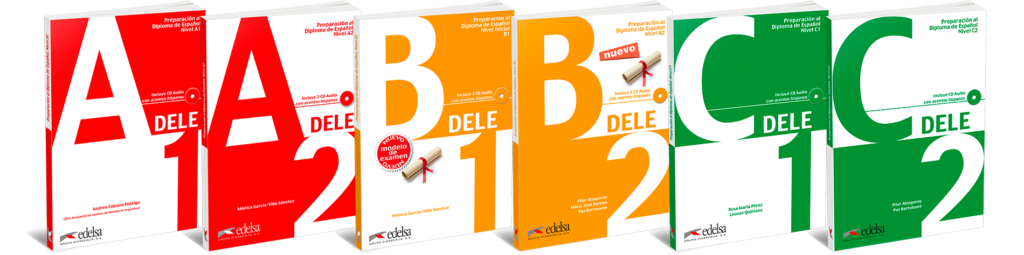
Preparación al DELE (Editorial Edelsa)
Each level of the exam has a book in this series, with practice tests, listening drills, writing prompts, and speaking topics. The sample exams are super useful for timing yourself, and the answer keys make it easy to study independently. Many editions also include audio tracks and model answers that allow you to check your work and improve steadily.
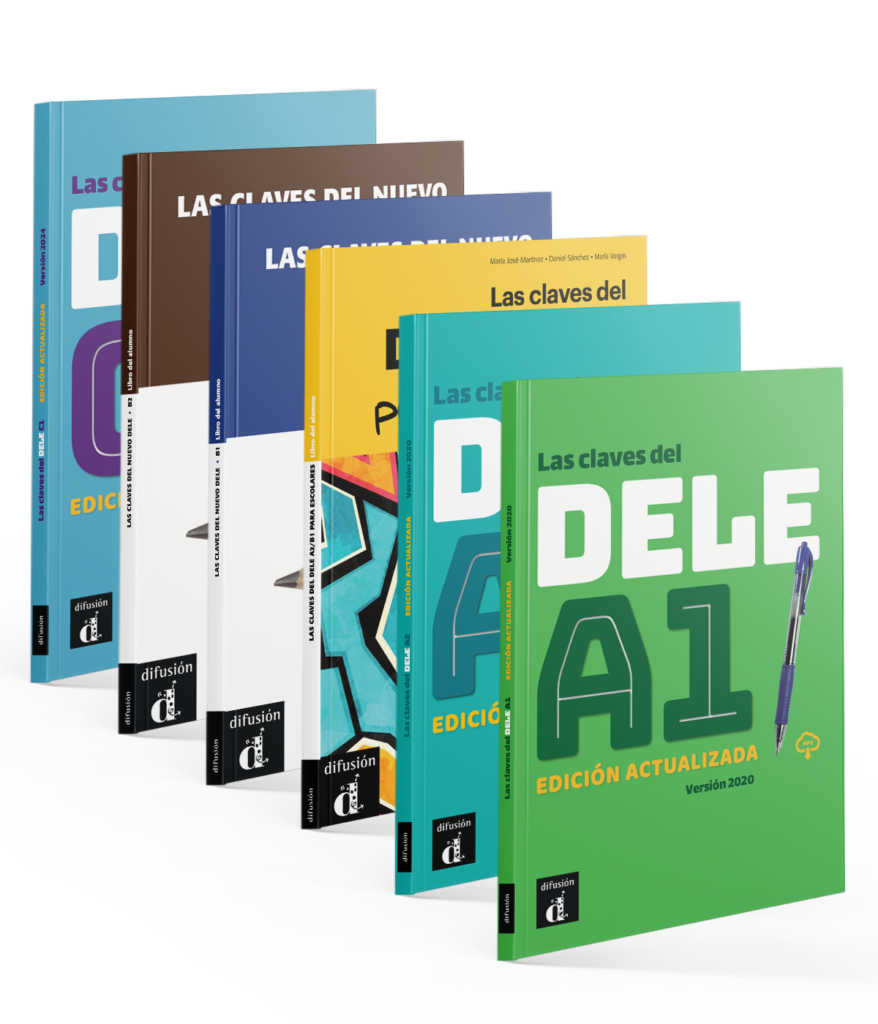
Las Claves del Nuevo DELE (Editorial Difusión)
This one is really practical. It breaks down the exam in plain Spanish, and each unit covers the skills tested. The strategies and tips are spot on, and the texts are authentic and current. There’s also a heavy focus on boosting vocabulary for each section, helping you build the word bank you need for success.
Manuals for Grammar and Vocabulary
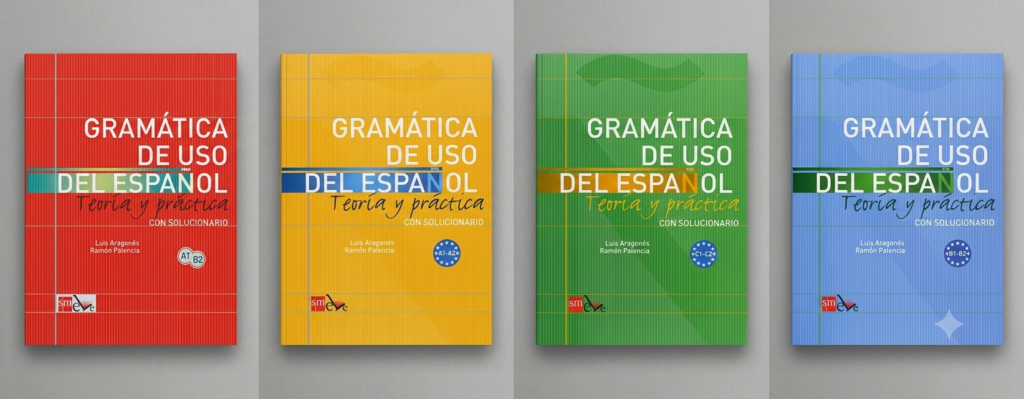
Alongside your main prep book, I recommend any well reviewed Spanish grammar or vocabulary manual. Ones like Gramática de uso del español: Teoría y práctica (you can choose the one that matches your level) fill in gaps if grammar or vocabulary is a weak spot.
Don’t forget to check whether your prep book has an answer key and access to audio. These extras mean you can work on your listening skills and check your speaking and writing against model answers, even if you’re practicing alone. Having these built in also lets you double-check your progress and stay motivated.
As a tutor, I’ve worked with students who preferred to combine a textbook with online sources or apps for extra listening and vocabulary drills. This can make your study routine more flexible, and many learners find it eases boredom or burnout, especially for long prep periods.
If possible, aim for at least two reliable sources: your main DELE prep book plus a vocabulary or grammar practice book. Mixing these resources gives you both a clear game plan and room to keep things fresh as you go along.
What to Watch Out for When Picking Your Prep Books
Some prep books look impressive but don’t offer what you really need. Here are some of the less helpful things I’ve noticed over the years:
- Books that are just long lists of grammar with barely any exam practice are usually not enough for most people. DELE’s strength is measuring how you use language, not just what you remember.
- Practice tests that don’t match the exam’s question style can actually confuse you. Stick to books from reputable Spanish or international publishers with a solid track record in exam prep; these will provide a much more reliable experience.
- Materials in “Spanglish” or with major translation errors create bad habits that show up when you speak or write during the exam. Always choose books written or edited by native speakers or professional teachers.
- Books that promise quick results in a week or two are pretty unrealistic. Passing DELE, even at lower levels, needs consistent practice with targeted feedback and time to master all four skill areas.
User reviews can give honest feedback from other learners. Local libraries or bookstores are great for flipping through before you buy, and many Spanish cultural centers let you borrow prep books for free. Sometimes university libraries have entire sections dedicated to language exams, letting you compare several options before spending money.
DELE Exam Prep, Extra Advice from My Experience
Having a good book is only half the battle. I usually tell students:
- Simulate real exam conditions by timing yourself on practice tests. Get used to completing each section in the allotted time.
- Record yourself answering oral questions; this is great for catching pronunciation habits you might not notice otherwise.
- Review sample answers and rewrite them in your own words. This helps lock in useful phrases and shows you what top scoring responses look like, allowing you to spot where your own answers can improve.
- Join an online study group or find a tutor (many offer free first sessions). Speaking with others helps boost confidence and gives you fresh ideas for expressing your thoughts. It’s also less isolating, keeps you accountable, and introduces more natural, everyday Spanish.
Plenty of students have seen big improvements in both confidence and results just by being consistent and using books tailored for the DELE. Even if you’re studying independently, these resources put you on the right path. Many also find that reading Spanish news or listening to podcasts in Spanish for a few minutes daily makes test day topics feel less intimidating and helps you naturally use more advanced language without forcing it.
If you’re considering taking other exams in addition to the DELE, I have another article that might interest you: Which Spanish Proficiency Test Is Best?
Frequently Asked Questions
Here are some questions students often ask when getting started with DELE prep books:
Do I really need a book, or can I just use free materials online?
Well structured DELE books save you time, keep you focused on what’s tested, and include integrated audio, which is hard to find in free resources. You can absolutely use free sources to supplement, but a well reviewed prep book usually means faster progress and fewer surprises when you sit for the real thing.
How long should I spend working through a DELE prep book?
Plan for two to three months if you can study a little every day. For higher levels, three to six months gives better results, especially if you mix in mock exams along the way. Give yourself even longer if you’re starting below the exam level you want to pass, and allow time for some review breaks so you don’t burn out.
Can I pass the DELE with just one book?
Some students do, but most benefit from using a main prep book plus a grammar review or vocabulary builder. Practicing with more than one set of mock tests usually leads to higher confidence and fewer surprises on exam day. The combined approach also makes it easier to fix weak points as you spot them, rather than waiting until the end of your prep.
The Tools That Make a Real Difference
Clear, up to date prep books with integrated audio, real exam tasks, and detailed answer keys make a noticeable difference for most DELE candidates. Talking with a tutor or joining a study group helps, but the right study book is where good preparation really starts. Matching the book to your level and learning style makes the whole study process feel doable and way less intimidating. Sticking with these tips sets you up for DELE success, whether you’re just starting out or aiming for those advanced C-level exams.